Why Is Good Lighting Important in a Home?
Lighting is one of the most overlooked parts of a home. People spend time choosing furniture, paint colors, and decor, but the lighting decides how all of it looks and feels. A room with great furniture and poor lighting can feel dull. A simple room with good lighting can feel warm and welcoming.
Good lighting is not only about style. It affects your health, your mood, your safety, and even your energy bills. Here is why it matters so much.
1. It Protects Your Eyes
Poor lighting makes your eyes work harder. Reading, cooking, studying, or working in a dim room can cause eye strain, headaches, and tiredness. Lighting that is too harsh can cause glare, which is just as uncomfortable.
Good lighting gives you enough brightness for the task without being blinding. This is especially important for children doing homework and older adults, whose eyes need more light to see clearly.
2. It Improves Your Mood
Light has a strong effect on how we feel. Bright, natural-looking light can make a space feel cheerful and energizing. Soft, warm light helps us relax after a long day.
In places with long, dark winters, many people feel low on energy when they get little sunlight. Brighter lighting indoors, along with letting in as much daylight as possible, can help a home feel more uplifting.
3. It Helps You Sleep Better
Our bodies follow a natural daily rhythm that responds to light. Bright, cool-toned light in the morning helps you feel awake. Dim, warm light in the evening tells your body it’s time to wind down.
Using very bright lights late at night, or looking at bright screens in a dark room, can make it harder to fall asleep. Switching to soft lamps in the evening is a simple habit that supports better rest.
4. It Makes Your Home Safer
Good lighting helps prevent accidents at home. Dark stairs, hallways, bathrooms, and entrances are common places for trips and falls. Well-placed lights make it easy to see where you are stepping.
- Use bright, even light on staircases.
- Add night lights in hallways and bathrooms.
- Light up the front door and outdoor paths.
Outdoor lighting also helps with security. A well-lit entrance and garden make a home less inviting to intruders and easier to enter safely at night.
5. It Makes Daily Tasks Easier
Different activities need different amounts of light.
- Kitchen: Bright light over counters helps you chop, cook, and read labels safely.
- Study or work area: A good desk lamp reduces strain and helps you focus.
- Bathroom: Clear light around the mirror makes grooming easier.
- Reading corner: A focused lamp beside your chair keeps your eyes comfortable.
When the lighting suits the task, everything feels easier and takes less effort.
6. It Sets the Atmosphere
Lighting can completely change how a room feels without changing anything else. The same living room can feel bright and lively at noon and cozy and calm in the evening, just by adjusting the lights.
- Warm light (yellowish) feels cozy and relaxing. It suits bedrooms and living rooms.
- Cool light (bluish white) feels fresh and alert. It suits kitchens, offices, and study areas.
- Dimmable lights let you change the mood whenever you like, for dinner, movie night, or a quiet evening.
7. It Makes Rooms Look Bigger and Better
Light affects how we see space. Bright, well-spread lighting makes a room feel open and airy. Dark corners make it feel smaller and closed in.
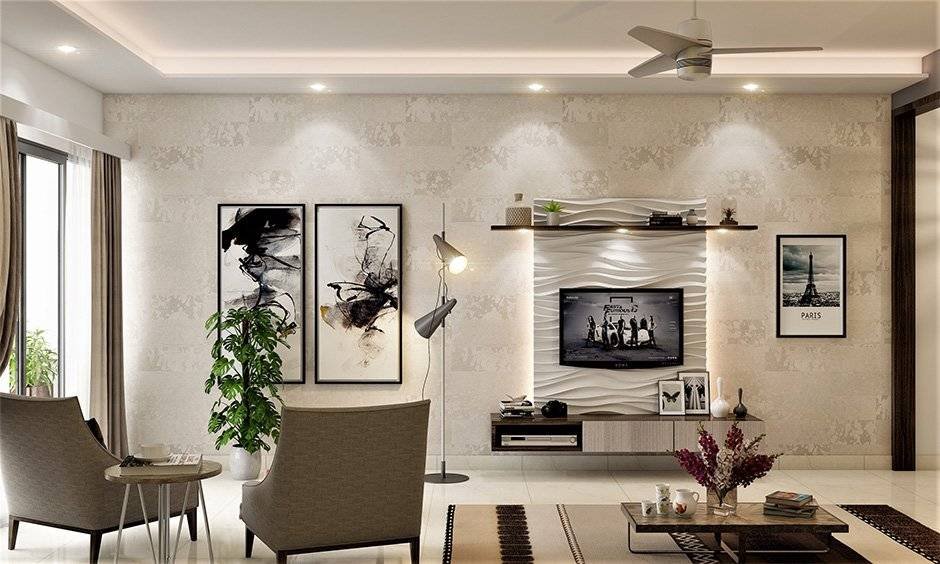
Good lighting also shows off the things you love, such as artwork, plants, textured walls, and nice furniture. Even a small lamp in a dark corner can make the whole room feel more complete.
8. It Can Save Energy and Money
Modern LED bulbs use much less electricity than old-style bulbs and last far longer. Using them, along with dimmers, timers, and motion sensors, can noticeably lower your energy bills.
Making the most of natural daylight helps too. Keeping windows clean, using light curtains, and placing mirrors opposite windows can brighten a room without any electricity at all.
The Three Layers of Good Lighting
Designers often mix three types of light in one room. You don’t need to be an expert to try it.
- Ambient lighting: The main, general light for the room, such as ceiling lights.
- Task lighting: Focused light for specific activities, such as desk lamps, reading lights, or under-cabinet kitchen lights.
- Accent lighting: Soft light that highlights features, such as wall lights, picture lights, or LED strips.
Using all three gives a room depth and flexibility, so it works for every part of your day.
Simple Tips to Improve Lighting at Home
- Use natural light first. Open curtains during the day and keep windows clear.
- Avoid relying on one ceiling light. Add lamps at different heights for a softer, more even result.
- Choose the right bulb color. Warm tones for relaxing areas and cooler tones for working areas.
- Add dimmers. They let you adjust brightness for different times of day.
- Check the bulb brightness. Look at the lumens on the box, not just the watts. More lumens means brighter light.
- Keep light fixtures clean. Dust can reduce the amount of light a lamp gives off.
- Think about every room. Hallways, stairs, and bathrooms need good lighting too.
Final Thoughts
Good lighting is one of the simplest and most affordable ways to improve a home. It protects your eyes, lifts your mood, supports better sleep, keeps you safe, and makes your space look its best. You don’t need a big budget or a full renovation. Sometimes, a new lamp, a warmer bulb, or a clean window is all it takes to make your home feel brighter and happier.
