How to Refresh Outdated Furniture with Simple Upcycling and DIY Techniques
Furniture is an essential component that influences the appearance and function of an interior space. Yet, with changes in trends in interior design and changing tastes in homes, even good-quality furniture can start to appear old-fashioned. The old wooden cabinet, used-up chair, damaged table and wardrobe may not suit the modern décor anymore. Although the replacement of these furniture pieces with new ones may seem the most convenient way out of the situation, it is costly and wasteful in many cases.
Upcycling provides a handy way out as a method of creating a stylish, functional and personalized piece from old furniture. In contrast to recycling, which implies breaking the materials down and creating new goods from them, upcycling aims at improving already existing things. Through simple do-it-yourself methods, one can renovate old furniture without any extra costs.
There are many different options when it comes to rejuvenating pieces of furniture, whether through painting, replacing parts, or decorating, as well as through reusing old items and turning them into something useful. It’s a chance for people to play around with different colors, materials and designs, as well as be resourceful. From a simple project like refurbishing one bedside table to the entire living room, upcycling makes a visible difference.
- Evaluate Old Furniture Before Starting an Upcycling Project
The first thing to do in order to make a successful makeover is getting acquainted with the state and possibilities of the furniture. All the pieces that seem old or not modern enough should not be thrown away immediately since many of them have good wooden base, solid construction, and useful design which needs just a few modifications.
Start your examination by checking for such defects as scratches, loose joints, peeling paint, broken handles, water marks, and others. Make sure that the piece is still firm and that the drawers, doors, and hinges work well. Some minor damages on the surface can be repaired by means of sanding, filling, tightening, or painting. But if the furniture is seriously damaged, there is rot or mold in it, you should definitely call an expert.
Having examined the furniture, think about how it will look like when used in your interior. The old wooden cabinet can become your modern storage place, and the abandoned dining chair can decorate your bedroom as a unique accent. You should know what material it is made of, what its form and initial purpose are in order to choose appropriate techniques for making it better.
It also pays off to set a realistic budget before buying supplies. Simple supplies like sandpaper, brushes, paint, wood filler, screws, and replacement handles can do many minor repairs. This will keep the entire project under control and prevent unnecessary purchases.
- Transform Furniture with Fresh Paint and Colour Combinations
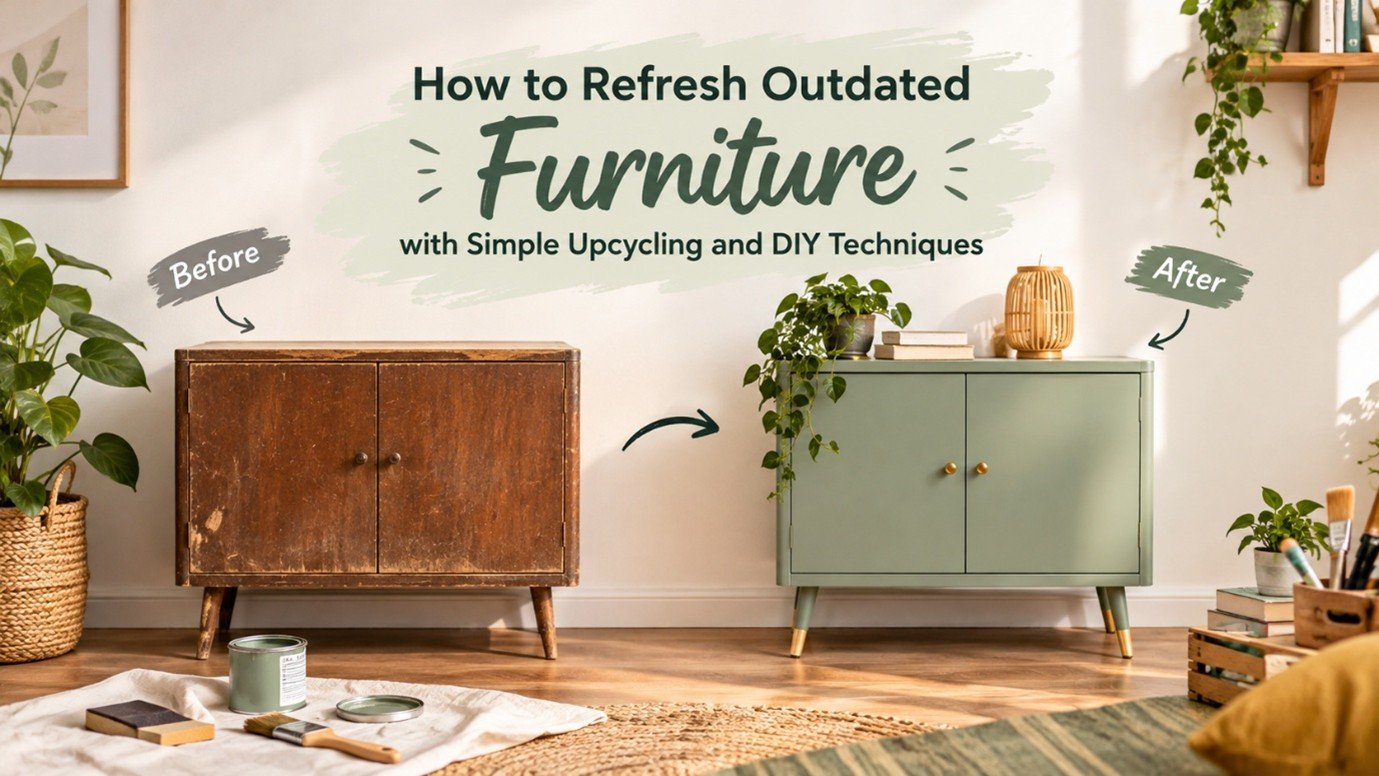
One of the cheapest methods to spruce up old furniture is painting it. An old and faded wooden table, an old wardrobe or even an old cabinet looks completely new after applying paint on it. Painting furniture is a chance for adding the necessary colours matching the modern interior design.
White, beige, grey and cream shades make the furniture look clean and sleek. In addition, earthy shades like sage green, terracotta, blue and olive add warm touches to the interior. Those people who desire something unique may choose navy blue or charcoal colours which will create a striking contrast with other objects in the room.
First of all, the furniture should be cleaned from dust, dirt and grease before painting. All handles and detachable parts have to be removed if possible. Lightly sand the surface to ensure better adhesion of the paint. You should use the appropriate primer according to the type of furniture material and painting manufacturer’s recommendations.
Yet another creative method of decorating would be two-tone painting. For instance, the body of a cabinet could have a plain colour, while the drawers would be painted in darker tones; or the legs of a wooden table could be painted, while keeping the natural look of the tabletop.
Where surfaces get heavy usage, opt for proper finishes or protective coats. Use of the right products that will ensure good results is very important in this case.
- Restore Natural Wood with Sanding, Staining, and Polishing
Not all furniture refurbishment needs the entire furniture to change in color. In most cases, it can be a better and timeless decision to restore the wood back to its original condition. Furniture made from wood usually gets scratches, dull finishes, fading and small stains as it ages. Sanding and refinishings can help in restoring it back to its natural beauty.
It starts with understanding whether the piece of furniture is made of solid wood, veneer or laminate. Each of these materials will need a different process. The amount of sanding done should not be too much especially for veneer since it can destroy the surface. The laminate materials might need specialized treatment processes other than wood stains.
For those materials that have the required surfaces, sanding should start with the required sandpapers and progress to finer ones. After removing the sanding dust, wood stain or wood finish can be applied. Wood stains can improve the grain of the wood while changing its overall color. Light finishes can be used to give the furniture the Scandinavian effect while the darker finishes make the furniture look traditional.
Once the staining process is completed, let the surface dry according to the instructions provided by the manufacturer. Finally, apply a protective finish that can be made of polyurethane or other coating appropriate for furniture. Ensure that you work in a well-ventilated space.
The restoration of the natural color of wood proves very effective for such furniture items as dining tables, coffee tables, bedside cabinets, and bookcases.
- Replace Old Hardware and Add Decorative Details
Small things can make a big difference in the appearance of furniture. Old-looking handles, worn-out knobs, rusty hinges, and basic drawer pulls will surely give any stylish furniture an old-school look. Changing these parts is an easy do-it-yourself hack that can make furniture more modern without major renovations.
For instance, traditional wooden cabinets can be modernized with matte black handles, brushed brass knobs or simple metallic pulls. Also, updating hinges and drawer runners will not only make furniture functional but easier to use.
Another thing to personalize your furniture with is some decor. Self-adhesive wallpapers, patterned contact paper, decorative stencils, and removable vinyl patterns can add some colors and textures to a boring piece of furniture. They go well with drawer fronts, inside of cabinets, wardrobe doors, and shelves.
Stenciling is also one of the budget ways to get unique design for furniture. Geometrical shapes, flowers and other patterns can turn any basic furniture into a decoration. However, when stenciling, it is vital to choose the right glue and finish in order to prevent peeling.
- Repurpose Unused Furniture into Functional Home Décor
The most creative way through which people can use furniture items is by altering their use entirely. It does not necessarily mean that people restore the furniture item to its previous state but rather design the furniture item for a new use that it should fulfill in the home environment. This method works well in situations where the furniture item is not fit enough for its intended use but is structurally sound.
For example, a useless wooden ladder can be used as an open-shelving stand for displaying books, plants, and other ornaments. An old suitcase can be made into an interesting side table when equipped with legs. In addition, a little dresser can be converted into a bathroom storage and wash stand if it is modified in a way that makes it suitable for moisture.
Also, old dining chairs can be made into bedside tables, plant stands, or just ornamental chairs.
Weight capacity, balance, and setting of the furniture should also be considered when recycling old furniture. Furniture in kitchen and bathrooms might need extra waterproofing while wall-mounted furniture should be fixed through proper fastenings. Heavy things should never be put in structures which cannot bear their weight.
Recycling is an activity that enhances creativity and allows one to make full use of whatever they already have at home. This process can help you create some unique features of the interior without buying new furniture.
- Upgrade Upholstery and Refresh Old Chairs and Sofas
Furniture upholstery becomes old-fashioned and unsuitable for use once fabrics are faded, stained, or worn out. But one doesn’t have to throw away the whole piece of furniture to get a nice looking seat; the change of fabric makes furniture more modern and cozy.
When it comes to smaller furniture items like dining chairs and stools, the procedure of changing the fabric will be simple enough. Take off the old cushion, take off the old fabric using it as a model for cutting the new one. It is important to pick up appropriate fabrics depending on what type of furniture they will be used. Such types as cotton-blend fabrics, linen-like fabrics and upholsteries are quite often picked by people due to the variety of possibilities of their design and texture.
Attach the fabric under the cushion using a staple gun, making sure that there are no folds in it. Return the cushion to its place and look at your new furniture.
When it comes to sofas, it is possible to change only slipcovers instead of reupholstering it. Also, new cushion covers and decorative pillows could be used.
Conclusion
Revamping old pieces of furniture with basic upcycling and do-it-yourself methods is a very effective approach that allows people to revamp their homes without having to spend large amounts of money on buying brand new pieces of furniture. Such things include such activities as repainting, renewing the natural finish of the wood, updating the fabric covering, changing the hardware, and finding different uses for otherwise unused pieces. All these activities provide a chance not only for creativity and individualization but also help to utilize the available resources efficiently by prolonging the life of old furniture. Thus, furniture upcycling becomes a chance to bring together creativity, functionality, and sustainabilit
Author Bio:
Aditi Jaiswal is a content writer at Consegic Business Intelligence a strong foundation in creating meaningful and engaging content. She explores topics across technology, digital ecosystems, and emerging trends, bringing clarity and depth to every piece she writes. Her content focuses on a sharp perspective and research-oriented approach, delivering content that not only informs but also sparks curiosity and conversation in an ever-evolving digital world.