Before You Hire a Plumber or Electrician: A Homeowner’s Checklist
Let’s be real, nobody googles “plumber near me” on a nice relaxed Sunday afternoon. You do it when there’s a brown spot spreading across the ceiling, or half the kitchen outlets went dead right as you started dinner, or the water heater decided the coldest morning of the year was a good time to quit on you. Which is pretty much the worst time to be picky about who you let in the house.
Good news though. Checking someone out isn’t some big research project. Most of it you can knock out on your phone while you wait for a call back.
Why bother checking at all?
Short answer, you won’t see most of it once they’re gone. It’s all behind the drywall or under the floor. A so-so solder joint or a wire nut that wasn’t twisted on quite right can hang out back there doing nothing for a long time, months, maybe a few years, and then one day you’ve got a water stain or a breaker that keeps tripping for no obvious reason. Now somebody has to cut into the wall, redo the job, and you’re stuck patching and painting on top of that.
Electrical is its own thing too. Bad wiring can start a fire. Enough said
Step 1: Look up the license yourself
In plenty of places a plumber or electrician can’t legally work without a license. Does a license mean they’re any good? Nope, not really. What it does mean is they cleared some basic training hurdle, and if things go badly you’ve got an actual board to go complain to instead of just yelling into the void.
Who you check with comes down to your address. Here in the US that’s mostly a state job. Take Texas, they split it in two, electricians go through the Texas Department of Licensing and Regulation (TDLR) and plumbers through the Texas State Board of Plumbing Examiners (TSBPE), and each one has a free lookup page on its site. Odds are your state has its own version, so type in your state plus “license lookup” and see what pops up. Outside the US? Try your country or region plus “electrician register” or “plumber license check,” lots of places keep an official list somewhere.
What I’d do, more or less:
- Get the license number plus the exact name it’s under. “Mike” isn’t enough, you want the full name or the company name.
- Punch it into the board’s website yourself. Somebody holding up a card on their phone screen doesn’t count.
- Does the name match the guy (or company) you’re actually hiring? Is it still active?
- Check the license type. An apprentice license, or one for a different kind of work, isn’t the same thing as a master or contractor license.
- If the site shows complaints or disciplinary stuff, give it a skim.
And if they get weird or a bit annoyed when you ask for the number? Well, there’s your answer.
Step 2: Ask about insurance
People mix these two up all the time. The license is about whether they know what they’re doing. Insurance is about who’s paying when a fitting lets go halfway through the job and floods your downstairs, or a helper falls off a ladder in your garage.
There are two kinds you care about. General liability covers damage to your house caused by their work. Workers’ comp (or whatever it’s called where you are) matters if they’ve got employees, because otherwise an injury on your property could end up being your headache.
So ask for a copy of the certificate and actually look at the dates on it. If something seems off, call the insurer listed and ask whether the policy’s still active, it’s a quick call that hardly anyone bothers to make. Oh, and the business name should match your quote.
Step 3: Get the quote in writing
Some guy in your driveway saying “eh, probably around four hundred” isn’t a quote. Even on small jobs get it written down, paper, PDF, a text, an email, whatever.
What you want to see on it (not every line applies to every job):
- Business name, phone number, address, license number
- What exactly they’re doing. Clear enough that if you handed it to a different plumber they’d get it.
- Parts and materials, with brand or model when it matters, and for a water heater or a new panel it definitely matters
- Labor, flat price or hourly?
- Permit needed? Who’s pulling it?
- When they can start, and how many days it’ll take
- Deposit and payment schedule
- Warranty on the parts and on their labor, which are often two separate things
- Cleanup, and whether they haul off the old water heater or junk
For anything past a quick repair I’d honestly get two or three quotes, then compare what’s in them instead of just staring at the totals. The cheap one that “forgot” permits, cleanup and parts isn’t cheap. Those costs show up later. They pretty much always do.
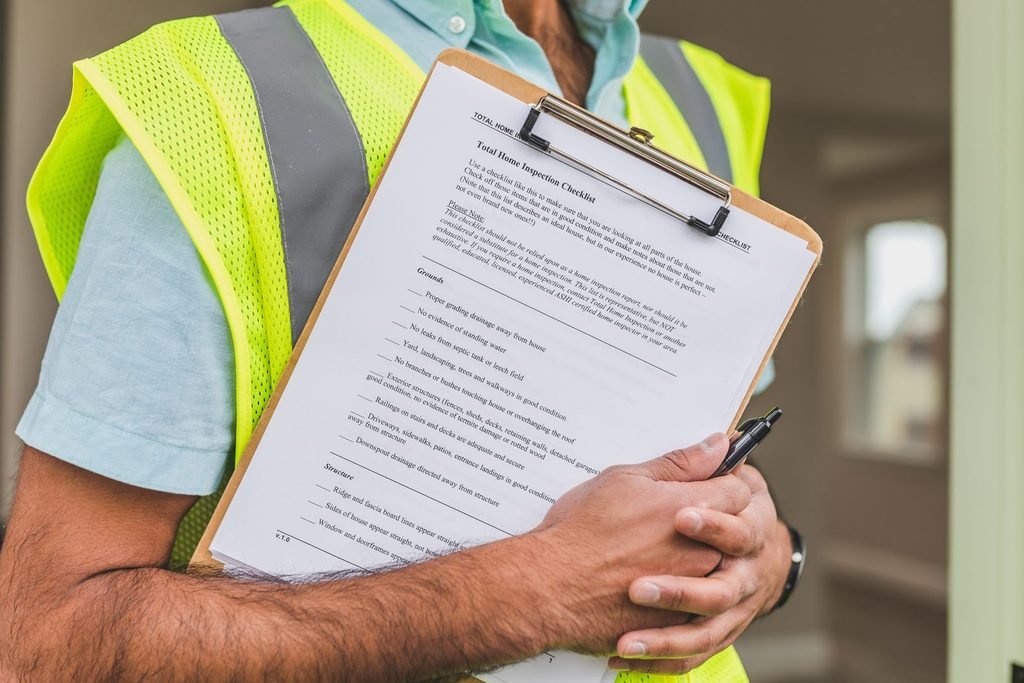
Step 4: Know what a normal deposit looks like
Some money up front is normal, especially if they’ve got to buy materials or special order a part. Wanting most of the money before anybody’s even picked up a wrench? Not normal.
I can’t give you one magic percentage, it really depends on the job and on where you live. A few states and cities even put a cap on what a contractor’s allowed to collect before starting, so a quick search with your city or state name is worth it. Very loosely:
- For a small repair there might not be any deposit, and that’s totally fine.
- If they’re ordering something pricey, a bigger deposit can be fair. Just ask what it’s for.
- Bigger projects usually get paid in stages as parts of the job get finished. Hang on to the last payment till you’re happy.
- Pay with something that leaves a paper trail, like a card, a check or a bank transfer. I’d skip handing someone a fat envelope of cash.
- Receipt. Every single time.
Deposit seems high? Ask about it. Someone reasonable will walk you through it, no drama. If they can’t, or they’re leaning on you to sign right this minute, take note.
Red flags
Sometimes the right call is “thanks for coming by” and shutting the door. Keep an eye out for:
- No license number, or one that doesn’t come up when you search
- No proof of insurance
- Won’t put anything in writing
- Wants most of the money up front, or only takes cash
- “This price is only good today”
- Knocked on your door uninvited because they “noticed something” driving past
- Says you can skip the permit and save some money
- Way cheaper than everyone else and can’t really say why
- No business address, just a cell number
- Their story changes when you ask the same thing twice
Any one of these by itself might be nothing. Two or three of them at once though, I’d keep looking.
Questions worth asking
No need to grill anyone. Pick what fits your job.
Experience. How long have they been at it, and have they done something like your job recently? Could you call a couple of past customers?
The job itself. What do they reckon is causing it? Could it be fixed a couple different ways, and what’s the downside of each one? Permit, inspection, any of that, and if so who’s handling it? And who shows up on the day, them or some sub you’ve never met?
Money and timing. Can the price move once they get going? Like if they open up the wall and it’s a mess back there, are they gonna stop and call you first, or just carry on and bill you after? Also, when can they actually start?
Afterward. What’s the warranty? If it starts leaking two weeks later how do you get hold of them? Will they clean up?
Honestly the way they answer tells you as much as the answers. The ones who talk to you like a normal person and don’t sigh at your questions tend to be fine to deal with. If they’re already rolling their eyes by question three, it’s not going to improve once they’ve got your deposit.
The short version
Before you sign or pay anything:
- License checked by you, on the official site
- Insurance certificate seen and current
- Written quote, two or three of them for a big job
- Deposit makes sense and paid by card, check or transfer
- Permit sorted out
- Warranty written down
- No red flags you’re talking yourself out of
That’s it really. Most plumbers and electricians are honest people who are proud of their work, and the good ones won’t mind any of this.
About the author
Team Home Pros Local runs homeproslocal.com, a free directory that helps homeowners in Houston and Dallas find local plumbers, electricians, HVAC techs, cleaners and movers.