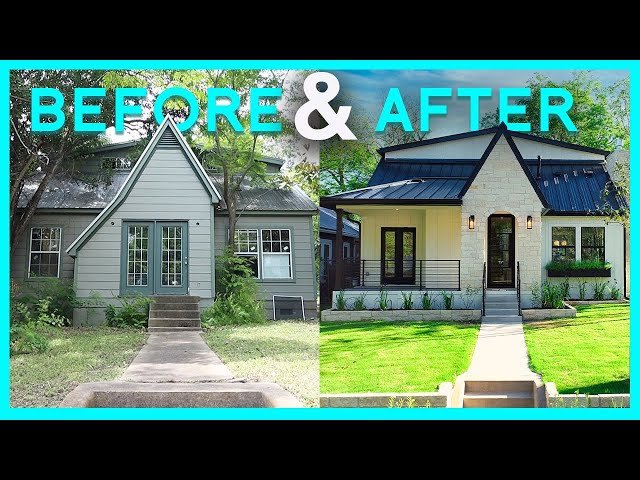
How to Renovate an Old House on a Low Budget
Renovating an old house doesn’t have to drain your savings. With the right priorities and a bit of elbow grease, you can transform a tired, dated home into something fresh and functional without a contractor-sized budget. Here’s how to do it smartly.
1. Start With a Clear Plan and Priority List
Before you touch a single wall, walk through your home and list every issue — big and small. Separate them into three buckets: must-fix (safety and structural issues like leaks, wiring, or mold), should-fix (things affecting daily comfort, like a broken heater or drafty windows), and nice-to-have (cosmetic upgrades). Budget renovations succeed when money goes to function first, aesthetics second.
2. Get a Professional Inspection First
It’s tempting to skip this step to save money, but a one-time inspection can save you thousands later. A professional can flag hidden problems — faulty wiring, water damage, or foundation cracks — that are far more expensive to fix after you’ve already renovated around them.
3. Do the Demolition Yourself
Labor is usually the priciest part of any renovation. If you’re removing old carpet, tearing down non-structural drywall, or ripping up outdated tile, you can often do this yourself with basic tools and a free weekend. Just be cautious with anything that might contain asbestos or lead paint if your house is several decades old — get those tested before DIY demolition.
4. Refinish Instead of Replace
Old doesn’t always mean unusable. Hardwood floors under worn carpet can often be sanded and refinished for a fraction of the cost of new flooring. Kitchen cabinets can get a new life with paint, new hardware, and updated hinges instead of a full replacement. Even old bathtubs can be reglazed rather than torn out.
5. Shop Secondhand and Salvage
Architectural salvage yards, online marketplaces, and even demolition sites are goldmines for doors, fixtures, tiles, and vintage hardware at a fraction of retail price. Many old houses actually look better with period-appropriate salvaged pieces than with modern replacements — and it costs less.
6. Focus on High-Impact, Low-Cost Changes
Some updates deliver a big visual payoff without a big price tag:
- Fresh paint (walls, trim, and even cabinets)
- New light fixtures and switch plates
- Updated cabinet or door hardware
- Removing outdated wallpaper
- Deep-cleaning or resealing grout and tile
These changes often make a bigger difference to how “renovated” a space feels than expensive structural work.
7. Tackle One Room at a Time
Trying to renovate the whole house at once spreads your budget thin and often leads to unfinished projects. Pick the room with the most impact — usually the kitchen or a bathroom — finish it completely, then move to the next. This also lets you learn from mistakes early and adjust your budget as you go.
8. Rent, Don’t Buy, Specialty Tools
Tile saws, floor sanders, and wallpaper steamers are expensive to own but cheap to rent for a weekend. Most hardware stores offer daily or weekly rental rates that make sense for one-time jobs.
9. Negotiate and Time Your Purchases
Buy materials during seasonal sales, ask contractors for leftover materials from other jobs, and don’t be afraid to negotiate prices at local building supply stores, especially for slightly damaged or discontinued stock.
10. Know When to Call a Professional
DIY saves money, but electrical work, gas lines, and major structural changes are not the place to cut corners. A cheap fix that goes wrong can cost far more in repairs — or safety — than hiring it out from the start.
The bottom line: A low-budget renovation is really about sequencing and restraint — fix what’s unsafe first, refinish what can be saved, do the labor-intensive work yourself, and save splurges for the changes that actually show. Old houses have character new builds can’t replicate; a smart renovation preserves that while making the space work for how you live today.
